The Impact of Basquiat's Untitled: A Journey Through Art and Aesthetics
11/2/20255 min read
This post contains affiliate links, which means I earn a small commission (at no extra cost to you) if you decide to make a purchase through one of these links. I only recommend products I actually use or genuinely believe will bring value. Thank you.
A Brief Biography of Jean-Michel Basquiat
Jean-Michel Basquiat was born on December 22, 1960, in Brooklyn, New York. His mother, Matilde, was a Puerto Rican, and his father, Gérard, was of Haitian descent. This multicultural background greatly influenced his artistic vision and identity. From a young age, Basquiat exhibited an affinity for art, often drawing and participating in creative activities, which were encouraged by his mother. By his teenage years, he was already entrenched in New York City's vibrant art scene, initially as a graffiti artist under the pseudonym "SAMO."
In the late 1970s, Basquiat transitioned from street art to the galleries, gaining recognition for his unique blend of street art and neo-expressionism. His rise to fame was meteoric in the 1980s, during which he created artwork that resonated with both the public and critics alike. His pieces often addressed themes such as identity, race, and social issues, characterized by a chaotic but profound aesthetic. Basquiat’s collaborations with notable artists, including Andy Warhol, positions him as a significant figure of postmodern art, bridging the gap between commercial and avant-garde movements.
Despite his success, Basquiat's personal life was tumultuous. He grappled with the pressures of fame and the chaos that often accompanied it, struggling with mental health issues and substance abuse. His work became not just a form of expression, but also a coping mechanism for his internal battles. The profound emotional depth in his pieces can be traced back to his personal experiences and struggles. Basquiat's untimely death at the age of 27 in 1988 marked a tragic end to a promising career, but his legacy continues to influence and inspire contemporary artists, cementing his status as a pivotal figure in the evolution of modern art.
An Overview of the Untitled Painting
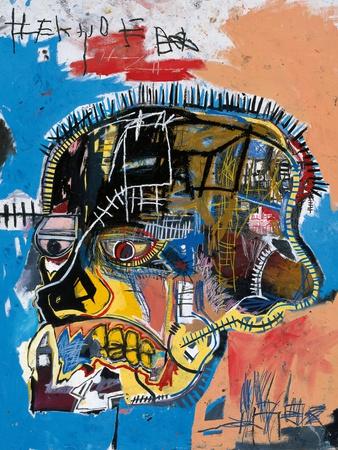
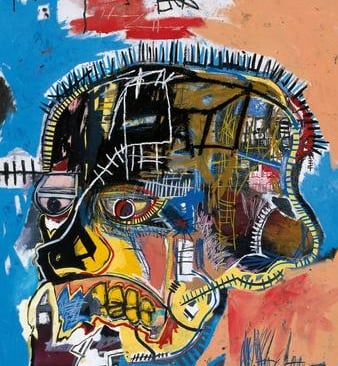
Jean-Michel Basquiat's 'Untitled' stands as a testament to his groundbreaking contribution to contemporary art, capturing the complexity of identity, race, and societal commentary. This particular painting, rendered in vibrant colors such as bold reds, yellows, and blacks, exemplifies Basquiat’s distinctive approach to visual expression. The layers of color blend and clash with one another, creating a dynamic interplay that is both engaging and provocative.
The use of textures throughout the painting enhances its visual depth. Basquiat often employed a mix of mediums—acrylics, spray paint, and oil sticks—allowing for a varied tactile experience that invites viewers to explore the work closely. The forms present in 'Untitled' are often abstract yet carry recognizable figures and symbols, a signature aspect of Basquiat's style. His frequent incorporation of skull motifs, crowns, and fragmented human faces suggests themes of mortality and the search for identity amidst the chaos of modern society.
Embedded within the painting is a narrative that critiques socio-political issues and highlights systemic inequalities faced by marginalized communities. Basquiat’s work often embodies a raw immediacy, reflecting his experiences and observations while growing up in New York City. This context is crucial as it informs the viewer's understanding of the layered meanings embedded in the piece. As an artist of Haitian and Puerto Rican descent, Basquiat utilized his platform to address the complexities of race and identity, making 'Untitled' not only a visual feast but also a commentary on cultural struggles.
In essence, Basquiat’s 'Untitled' remains a powerful exploration of the intersection between art and societal issues, reflecting his mastery of color, form, and texture while delving into profound themes that continue to resonate today.
The Aesthetic Influence of Untitled on Room Décor
Basquiat's painting, Untitled, stands as a powerful testament to the artist's unique vision and expression. Its vibrant hues and dynamic composition can dramatically influence the atmosphere of any room in which it is displayed. The interplay of colors in Untitled is not merely decorative; it is a carefully curated palette that can evoke various emotions, making it essential to consider the principles of color theory when integrating this artwork into interior spaces.
The vivid color contrasts present in Basquiat's work have the potential to enliven a space, drawing the eye and acting as a focal point. The interaction of warm and cool tones can create balance or provoke dramatic tension, thereby setting a verbal and emotional tone for the room. Whether one aims to foster a lively and energetic environment or a more serene and contemplative atmosphere, the painting's bold colors can assist in achieving that vision.
Untitled is especially compatible with various room styles, enhancing modern, eclectic, or minimalist interiors. In a modern setting, the artwork's raw energy can amplify the clean lines and simplicity of contemporary furniture, while in an eclectic décor style, it can harmonize with diverse textures and patterns, adding a stimulating contrast. For minimalist spaces, a solitary Basquiat piece can serve as an impactful statement, drawing attention without overwhelming the viewer.
To optimize the impact of Untitled, consideration should be given to its framing, lighting, and placement within the room. An appropriate frame can augment the painting's aesthetic without stealing focus. Lighting should be strategically positioned to highlight the colors and textures, while avoiding harsh glare. Finally, placement on a prominent wall can maximize its visibility, ensuring that it becomes an integral part of the room's identity.
Conclusion: The Legacy of Basquiat's Art
Jean-Michel Basquiat's influence on the art world is both profound and enduring, particularly exemplified by his remarkable painting, 'Untitled.' This work stands as a testament to the creativity and complexity of contemporary art, highlighting the ability of visual expression to transcend traditional boundaries. As a pivotal figure in the Neo-Expressionism movement, Basquiat's artistry serves not only as an aesthetic experience but also as a form of dialogue about societal issues, identity, and the human condition.
The 'Untitled' painting encapsulates Basquiat's raw energy and emotional depth, resonating with audiences on multiple levels. Its vibrant colors, chaotic forms, and striking imagery invite viewers to engage in introspection and contemplation. In today's art scene, this piece remains relevant; it challenges preconceived notions of what art can be, demonstrating that it can act as a powerful catalyst for conversation. The motifs and themes embedded within Basquiat's work encourage discussion about race, culture, and the complexities of existence, aligning closely with ongoing conversations in contemporary society.
Moreover, Basquiat's art, particularly works like 'Untitled,' prompts viewers to consider the spaces in which they inhabit. By integrating impactful art into personal and public realms, individuals can foster an environment of emotional resonance and self-expression. Art no longer serves merely as decor; it is a vehicle for meaningful connections, allowing individuals to reflect on their identities and experiences. As we appreciate Basquiat's contributions, we are reminded of the capacity of art to inspire, provoke thought, and connect us—all of which continue to thrive in today's dynamic cultural landscape.